
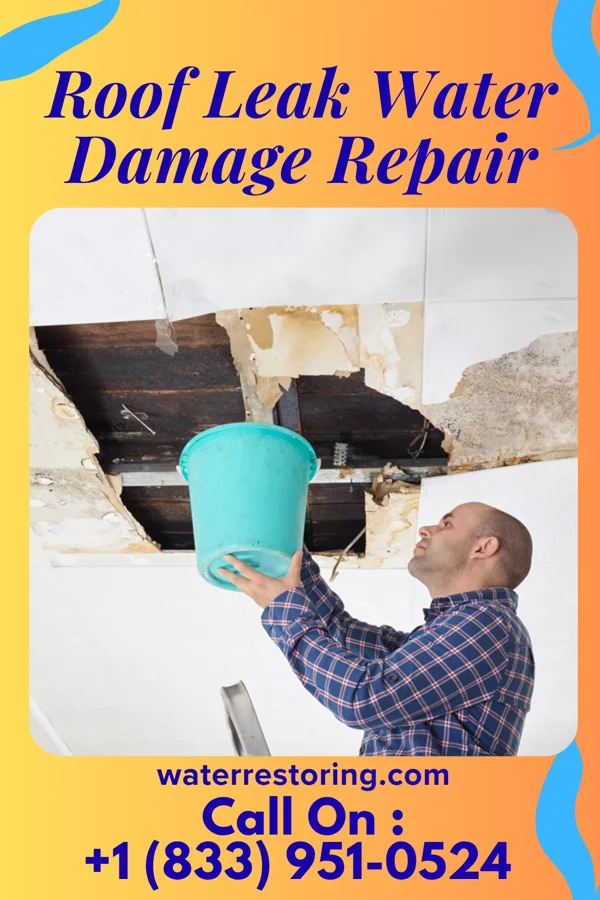
Why Roof Leak Damage Spreads in Cottonwood
Most water damage emergencies in Cottonwood start with Cottonwood, Alabama experiences frequent thunderstorms and heavy downpours, especially during the late spring and early summer months. These intense rain events can quickly overwhelm roofing systems, leading to leaks and water damage. The region's humid climate also contributes to prolonged moisture exposure, increasing the risk of structural issues.. A close second is In addition to thunderstorms, Cottonwood is prone to occasional severe weather events, including tornadoes and high winds, which can cause significant damage to roofing materials. The combination of heavy rainfall and high humidity creates an environment where water intrusion is a persistent concern.. From the second water touches the property, every minute changes what gets saved and what gets ripped out.
Cottonwood's climate, characterized by warm, humid summers and mild winters, creates conditions that accelerate roof deterioration. The frequent rainfall and high humidity levels can lead to issues such as roof rot, mold growth, and compromised insulation, especially in older or poorly maintained structures.
Most roof leak water damage repair calls in Cottonwood come from Cottonwood, Alabama experiences frequent thunderstorms and heavy downpours, especially during the late spring and early summer months. These intense rain events can quickly overwhelm roofing systems, leading to leaks and water damage. The region's humid climate also contributes to prolonged moisture exposure, increasing the risk of structural issues.. Running a close second is In addition to thunderstorms, Cottonwood is prone to occasional severe weather events, including tornadoes and high winds, which can cause significant damage to roofing materials. The combination of heavy rainfall and high humidity creates an environment where water intrusion is a persistent concern.. Local mold risk: Mold growth in Cottonwood can occur within 48 hours of water intrusion, especially in humid conditions. This rapid mold development can lead to secondary damage, including compromised insulation, wood rot, and structural weakening, requiring immediate attention.
For public guidance on the health effects of mold after prolonged water exposure, see the EPA mold and health page.